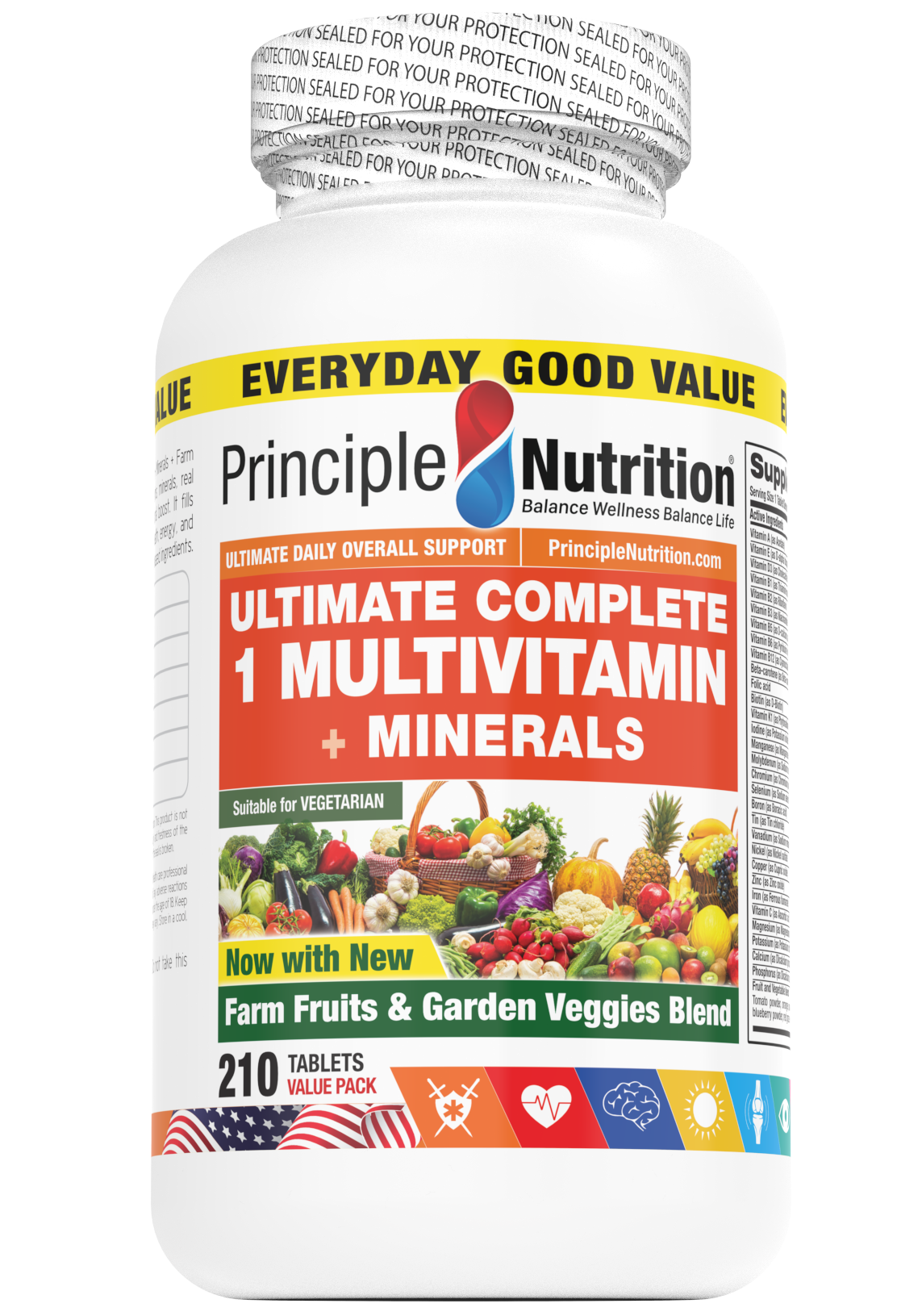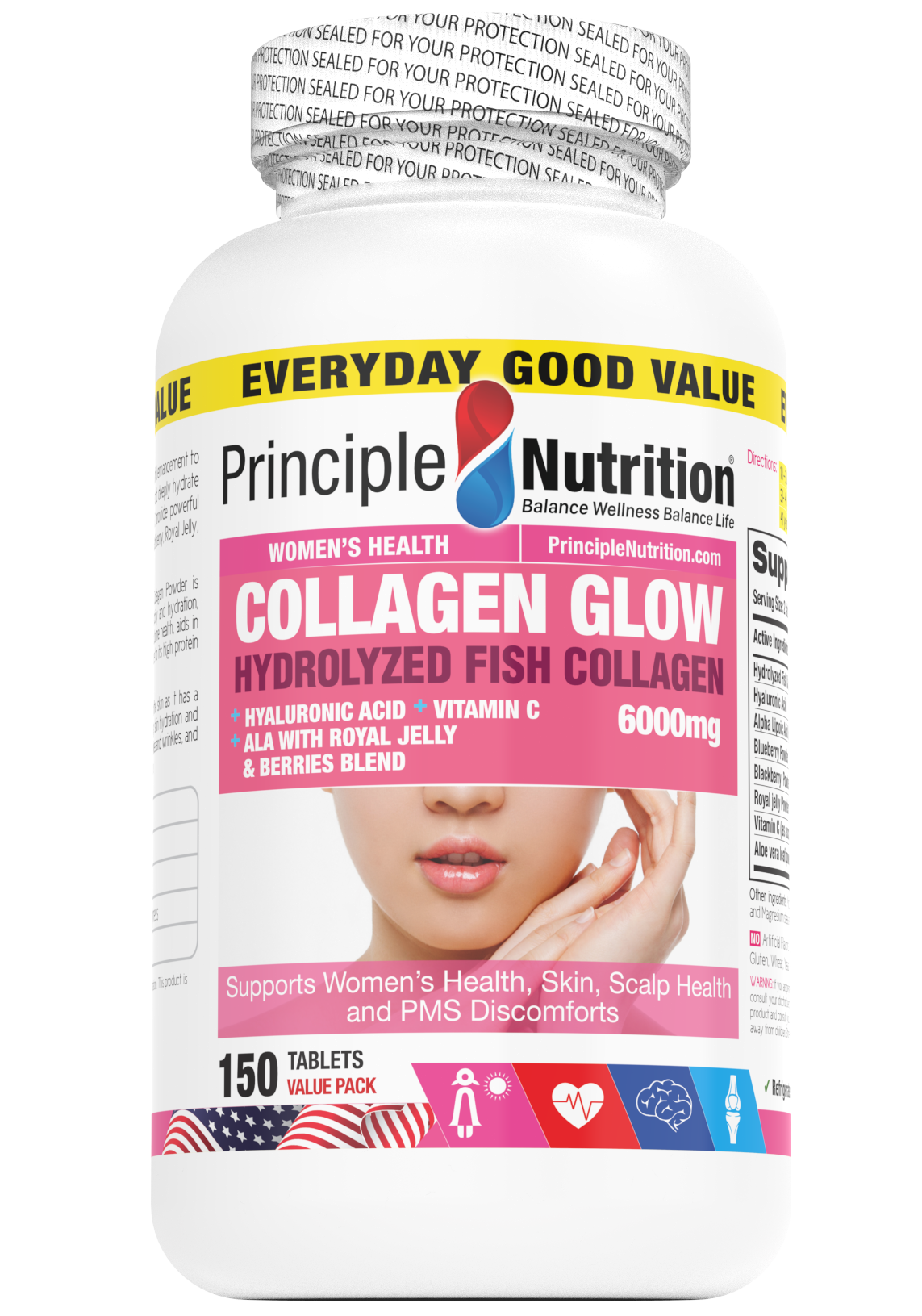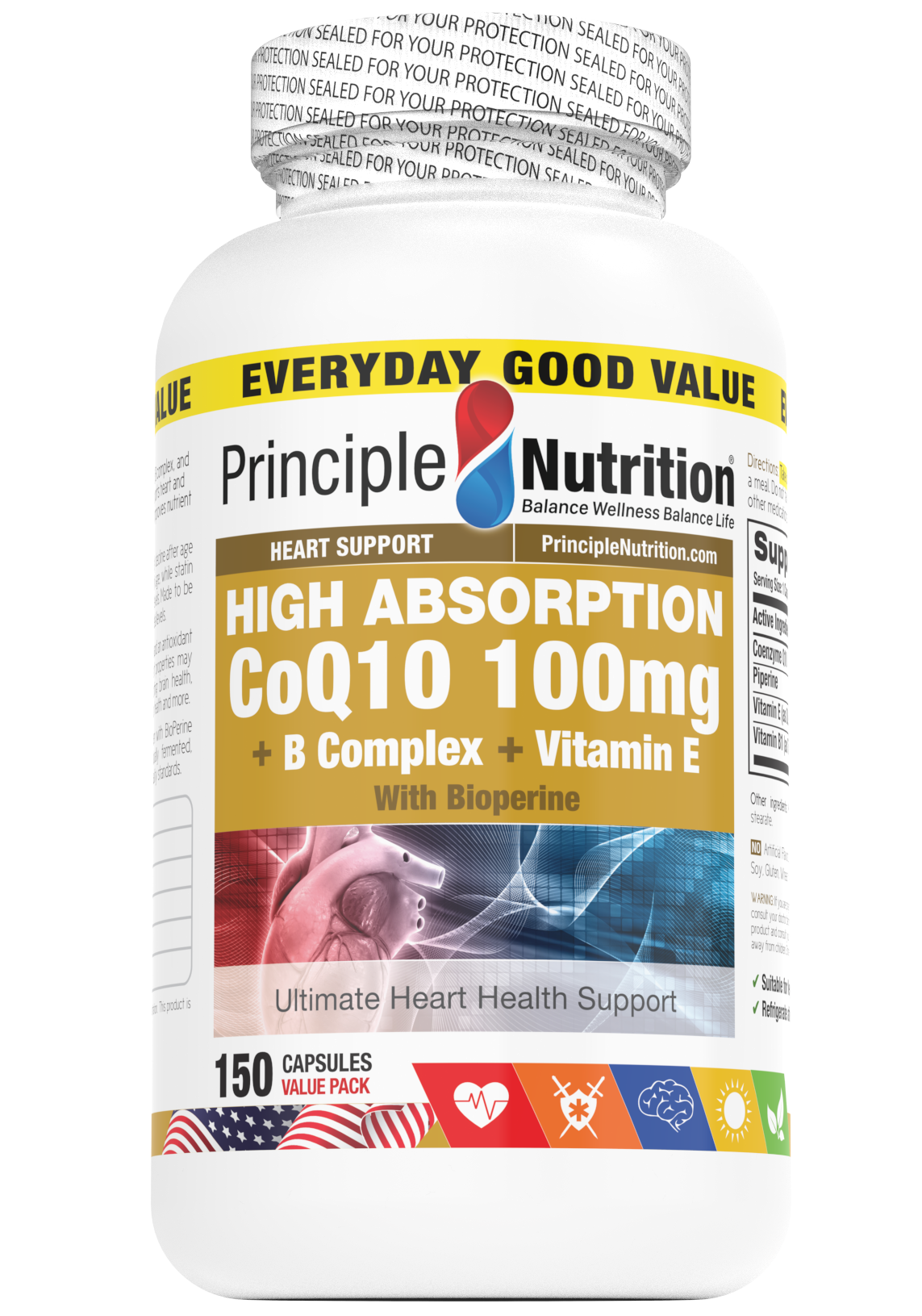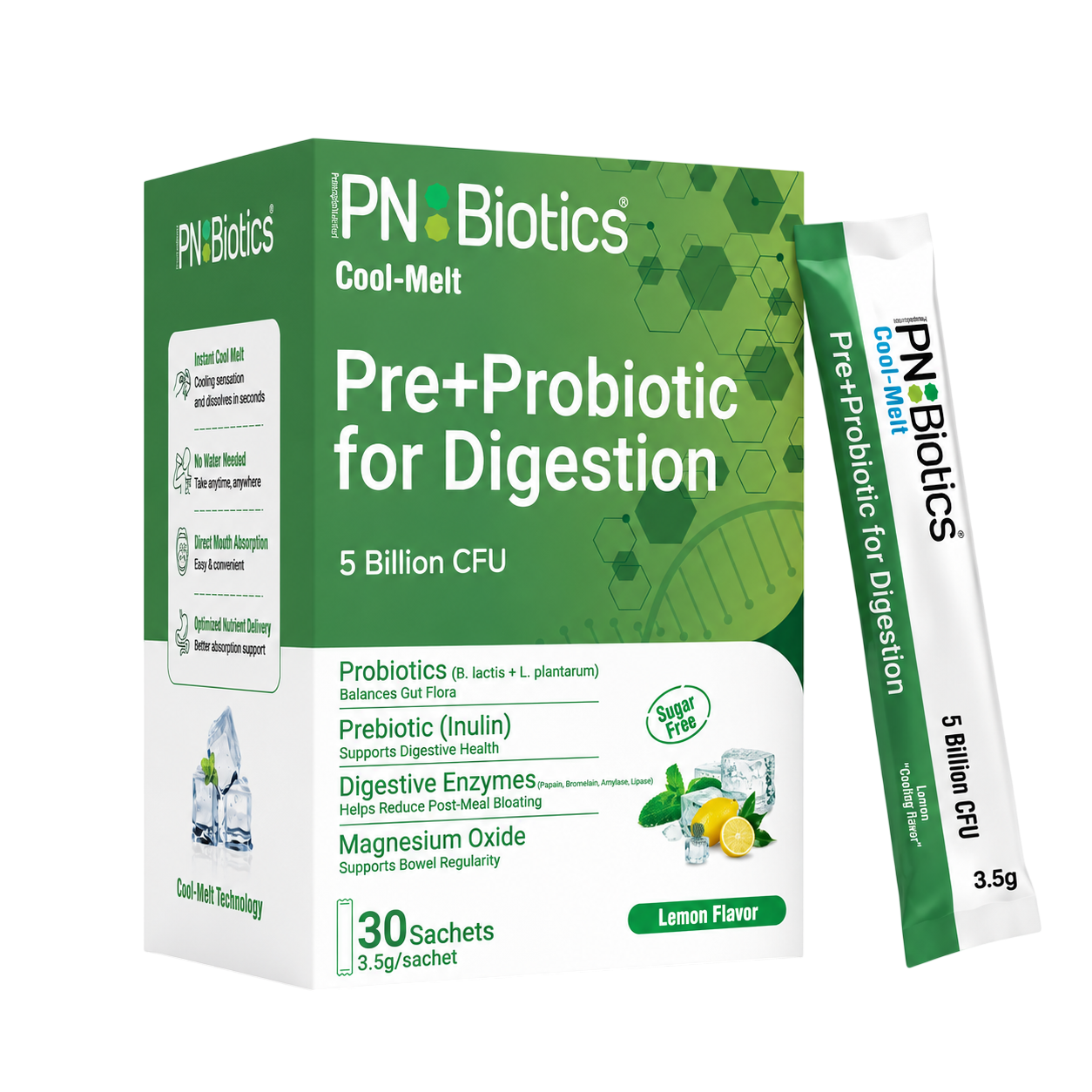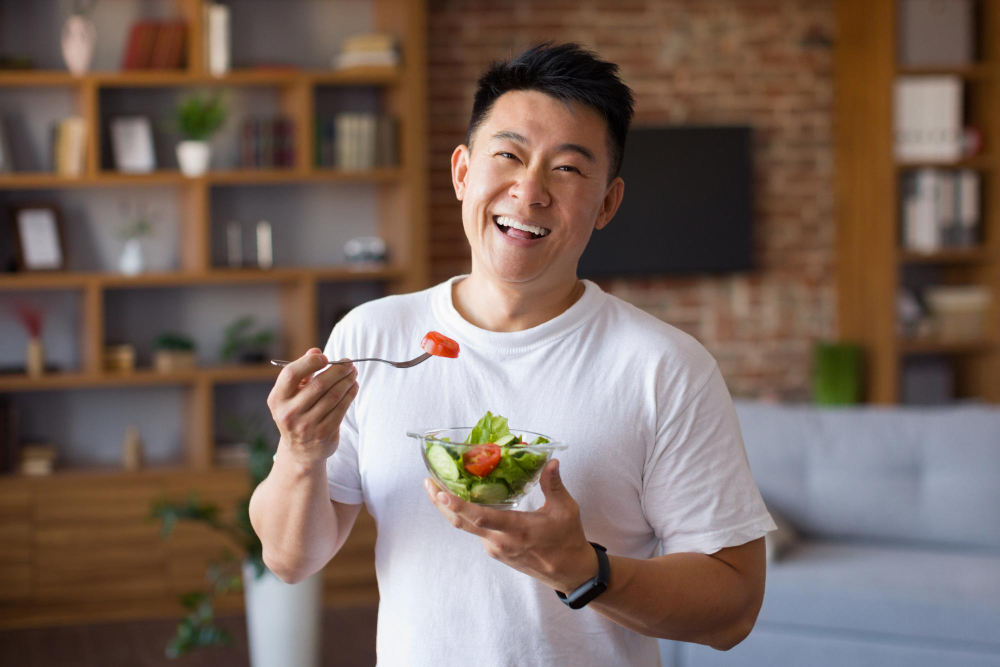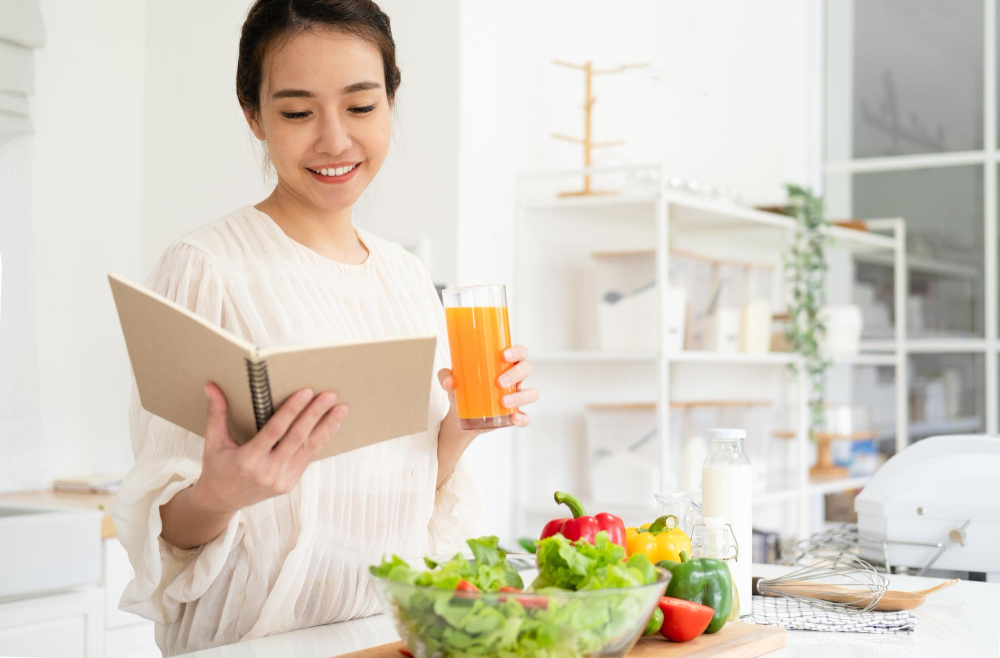
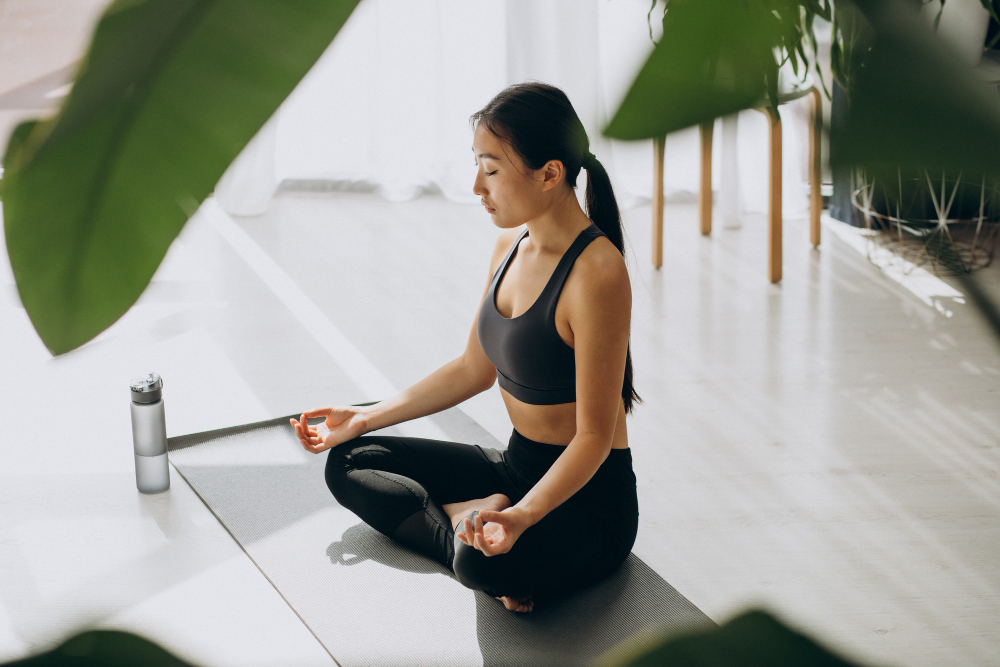
The biggest wellness trend in Asia right now may not be a single ingredient. It is a change in mindset: consumers want wellness that feels credible, convenient and realistic enough to become part of everyday life. That shift was visible at Vitafoods Asia 2026 in Bangkok, held from 2–4 September. Healthy longevity, metabolic wellness, the microbiome, muscle preservation, women’s health and more enjoyable delivery formats all featured prominently. The message for consumers is useful: smarter wellness is becoming less about collecting products and more about building a routine that fits your actual life.
1. “Healthspan” Is Replacing the Old Anti-Ageing Mindset
Healthy ageing is increasingly being framed around healthspan — maintaining function, energy, mobility and quality of life for as long as possible — rather than simply trying to look younger. This is broadening interest in categories such as protein, omega-3s, vitamin D, calcium, CoQ10/ubiquinol and other ingredients positioned around cardiovascular, muscular, cellular or metabolic support. The consumer lesson is to focus on function. Instead of asking, “What is the newest longevity ingredient?”, ask, “What daily capability do I want to preserve?” Better sleep, steady energy, muscle strength, mobility and a balanced diet are more meaningful targets than chasing a single anti-ageing claim.
2. The Microbiome Conversation Is Getting More Sophisticated
Gut health remains one of Asia’s strongest wellness categories, but the language is changing. Probiotics are now joined by prebiotics, synbiotics and postbiotics, while research increasingly explores links between the gut and other systems such as the skin, brain and metabolism. This does not mean every “gut-brain” or “gut-skin” claim is equally proven. Experts at Vitafoods Asia stressed the importance of matching a specific ingredient or strain to a specific outcome. For consumers, that means looking beyond the word “probiotic” and checking the strain, dose, storage instructions and evidence behind the intended benefit.
3. Protein Is Moving Beyond the Gym
Protein powders, ready-to-drink products and protein-enriched foods are increasingly being used by ordinary active consumers, not just athletes. Euromonitor data reported in July 2026 showed that e-commerce represented 56% of sports nutrition sales in 2025 across Asia Pacific, up from 46% in 2020, with protein powders and ready-to-drink formats among growing categories. This shift makes sense: convenient protein can help when breakfast is rushed, travel disrupts meals, or appetite is low. But protein products should complement a balanced diet, not replace vegetables, whole foods and regular meals.
4. Beauty-From-Within Is Becoming More Evidence-Led
Asia has long been a leading market for nutricosmetics. In 2026, the category is becoming more precise, with greater interest in clinically studied collagen peptides, hyaluronic acid, ceramides and microbiome-linked concepts. Vitafoods Asia coverage also highlighted stronger demand for substantiated claims, especially around skin hydration, barrier function and healthy ageing. The smarter approach is to treat beauty supplements as one part of skin wellness. Sun protection, adequate sleep, hydration, protein and micronutrient adequacy still matter. “Inside-out beauty” works best as a lifestyle idea, not a promise in a sachet.
5. Format Matters Because Consistency Matters
Gummies, stick packs, jellies, small-format powders, shots and ready-to-drink products continue to expand across Asia. Kerry’s 2026 supplement taste research noted that flavour and texture increasingly influence whether consumers continue using a product. Convenience can be genuinely useful — especially for travel, busy workdays and consumers who dislike tablets — but format should not distract from formulation quality. Check the amount of active ingredient per serving, added sugar, serving size and whether the format is suitable for heat and humidity in your market.
6. Women’s Wellness Is Becoming More Life-Stage Specific
Another notable shift is away from generic “women’s multivitamin” positioning toward more targeted conversations around fertility, pregnancy nutrition, perimenopause, menopause, bone health and healthy ageing. This can be positive when it leads to better education and more appropriate formulations, but personal health needs can vary widely — especially where hormones, medications or medical conditions are involved.
Build a Smaller, Smarter Wellness Routine
A useful way to respond to all these trends is to simplify. Try this three-step filter before adding anything new: 1. Choose one priority. For example: sleep, digestion, strength, bone health, energy or skin health. 2. Identify the habit that supports it. That may be an earlier bedtime, more protein at breakfast, more fibre, two strength sessions a week, or better hydration. 3. Use supplements to fill a clear gap. Choose products with transparent ingredients, sensible doses and credible evidence — then give the routine enough time to judge whether it is useful.
Product Categories to Watch in Asia
The categories attracting attention in 2026 include protein and active nutrition, probiotics/prebiotics/synbiotics/postbiotics, beauty-from-within, women’s health, magnesium and sleep support, omega-3s, healthy-ageing and mitochondrial-health ingredients, and more portable delivery formats such as sachets, gummies and functional drinks. Trends can be useful signals, but they are not a substitute for personal relevance. The best product is not the one dominating social media; it is the one that addresses a real need, fits your routine and has a formulation you can understand.
The Takeaway
Asian wellness in 2026 is becoming more sophisticated — but also more practical. Consumers are asking for science, transparency, convenience and products designed around real lifestyles. That is a healthy direction. Premium wellness should feel easier to use, not harder to understand.
Principle Nutrition
Premium Wellness. Made Accessible. Built for Asia. USA Technology. Singapore-Led. Globally Made. Built for Asia. This article is for general wellness education and is not a substitute for medical advice. Individual needs vary, especially if you have a medical condition, take medication, are pregnant or breastfeeding, or are planning major dietary or supplement changes.
Wellness articles are provided for general educational information and should not replace personalised medical, nutritional or healthcare advice.